Looking for a specific ingredient?
Jump to the current specification and sample request pages:
Polyquaternium-37 ·
Zinc Ricinoleate ·
3-O-Ethyl Ascorbic Acid ·
Matrixyl 3000 ·
99% Kojic Acid ·
Hemp Protein 60%
Request a current batch COA/TDS →
-
Fish Collagen Stick Packs: How to Investigate Powder Clumping
Trace fish collagen stick-pack clumping to incoming powder, blend handling or packaging. Use paired samples to investigate where the change starts.Read more -
Fish Collagen Peptides for Powdered Drinks: A Buyer’s Guide
Compare fish collagen peptide powders for a drink mix. Check source, protein and molecular-weight data, and test the sample in your intended beverage.Read more -

3-O-Ethyl Ascorbic Acid in Brightening Serums: Solvent Route, pH Stability & COA Checklist
A practical formulation note on 3-O-Ethyl Ascorbic Acid: solvent route, pH stability, COA checks and sample sourcing for brightening serums.Read more -
Polyquaternium-37 for Curl Gels: A Sample Sourcing Guide
Sourcing Polyquaternium-37 for a curl gel? Check the full INCI, supply form and lot documents, then compare samples in your own styling base.Read more -
OEM Gummy RFQ Checklist for Brand Owners
Prepare a gummy manufacturing brief with serving size, active quantities, gummy base, pack format, pilot criteria and documents for a comparable quote.Read more -
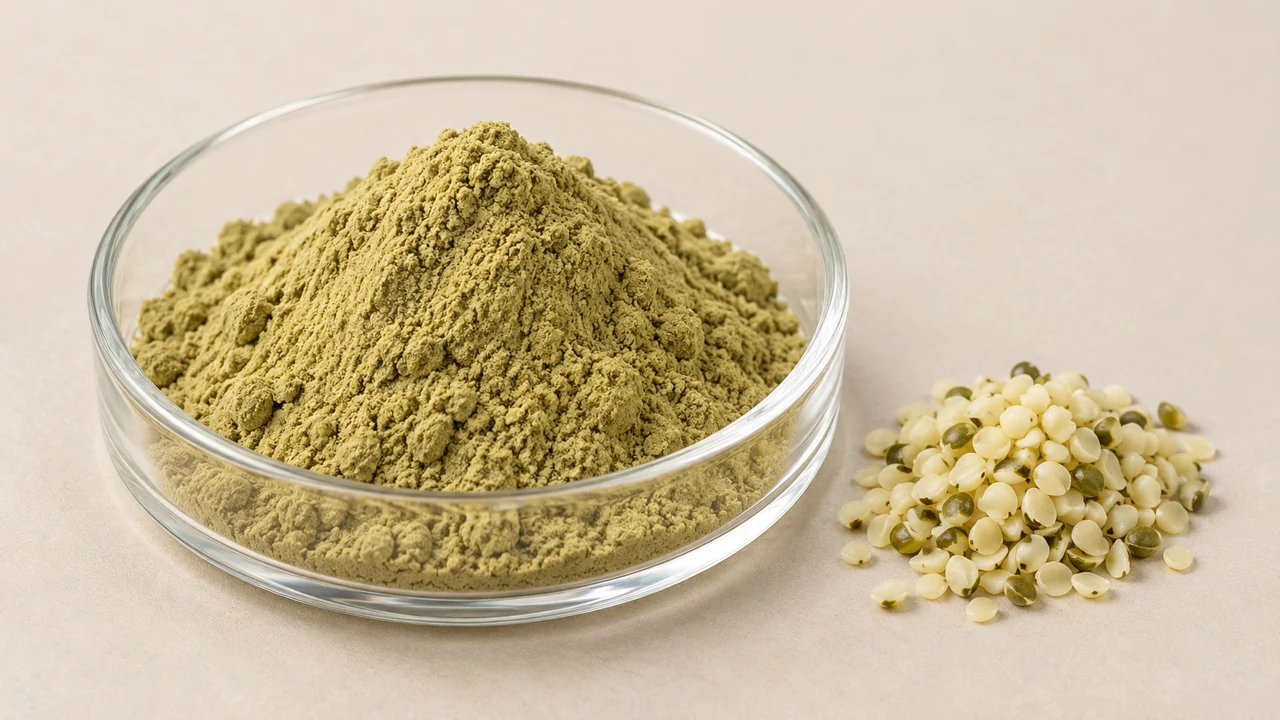
Hemp Protein Powder Specifications: What Does 60% Protein Mean?
Understand a 60% hemp protein specification: dry basis versus as supplied, test methods, and the other checks needed before a food formulation trial.Read more -
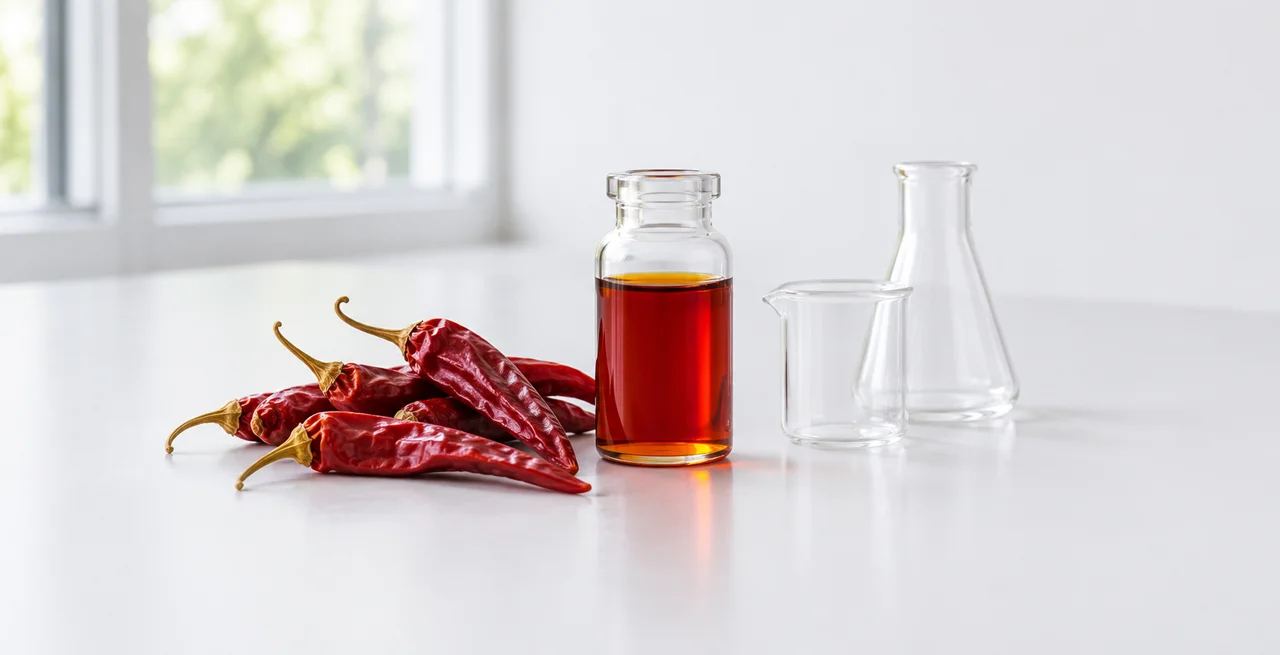
Water-Soluble Capsicum Oleoresin 10%: What to Check Before Ordering
What does 10% mean on a capsicum oleoresin quote? Check the assay, carrier and water dispersion before approving a sample for your food formulation.Read more -
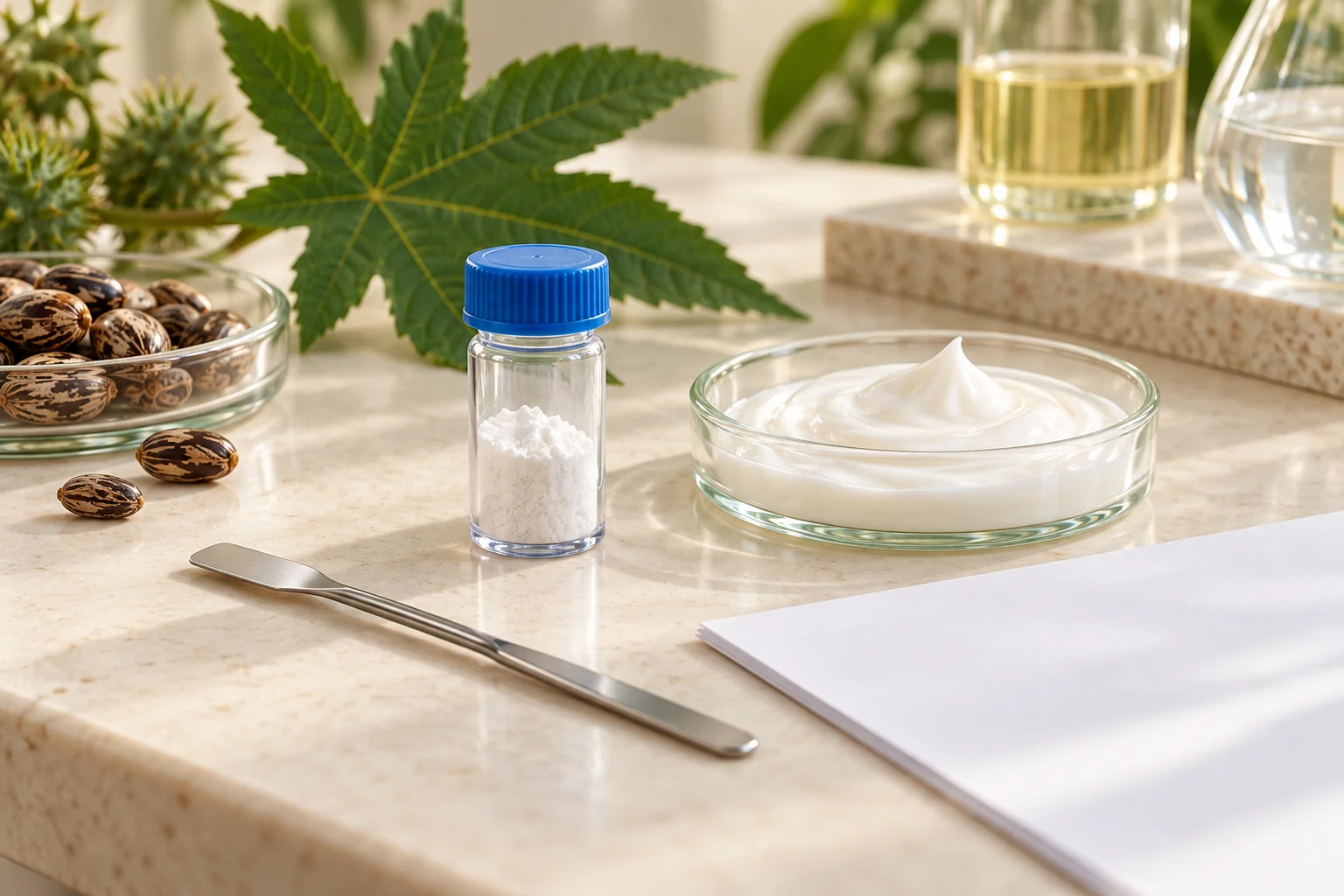
Zinc Ricinoleate for Deodorant Formulations: Solubility, Handling and Supplier Documents
A buyer guide to zinc ricinoleate supply forms, solubility questions, handling information and current batch documents for deodorant formulation trials.Read more -

Hydroxyethyl Cellulose: Choosing a Viscosity Grade and Reading a COA
Compare HEC viscosity grades using defined test conditions. Review a clearly identified historical COA and request current grade and batch documents.Read more -

How to Read a COA for Cosmetic Raw Materials
A practical checklist for reading a cosmetic raw material COA: batch number, assay, identity, heavy metals, microbial limits and the documents to request with every sample.Read more -
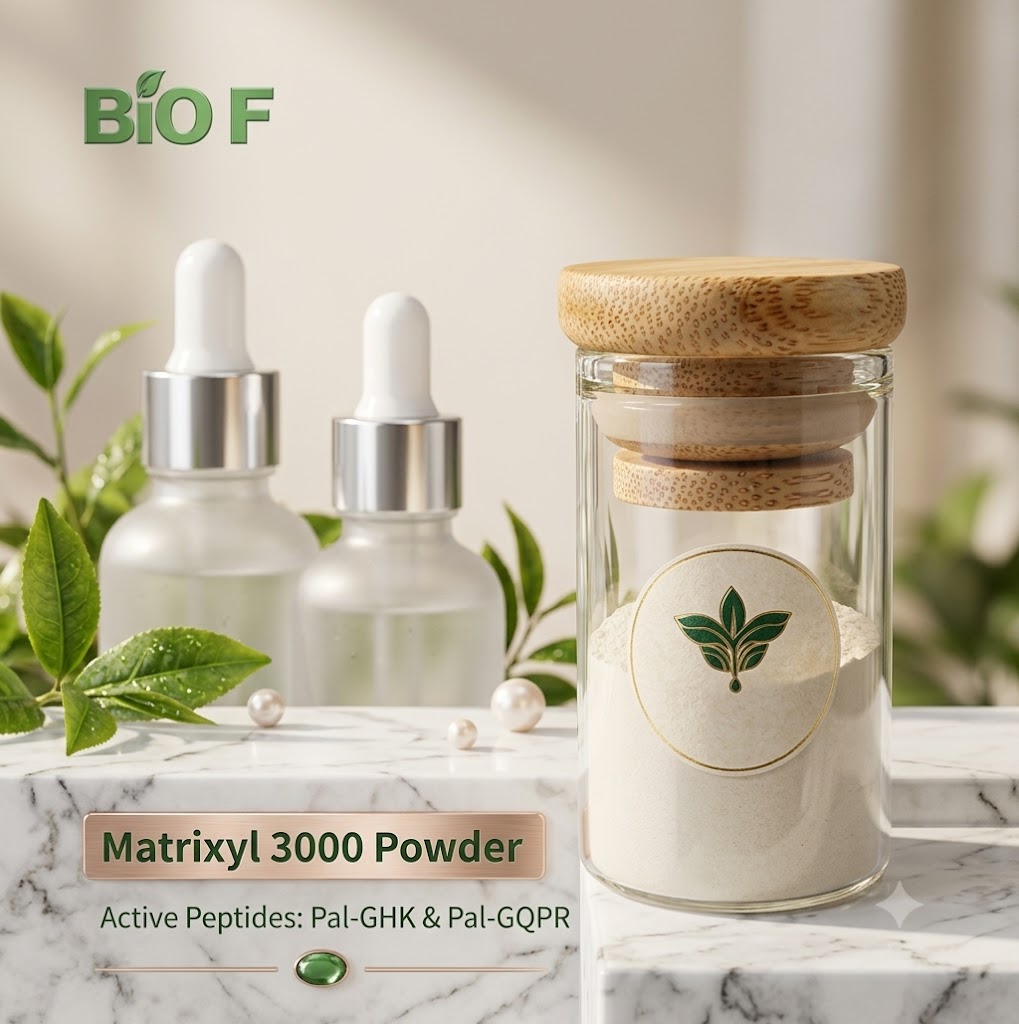
What does Matrixyl 3000 do for skin?
The clinical data is fairly clear. In a two-month study using 3% Matrixyl 3000, the area with deep wrinkles decreased by 45%. Wrinkle density dropped 37%, and skin roughness improved 14%. Another trial showed 30–45% reduction in wrinkle depth after...Read more -
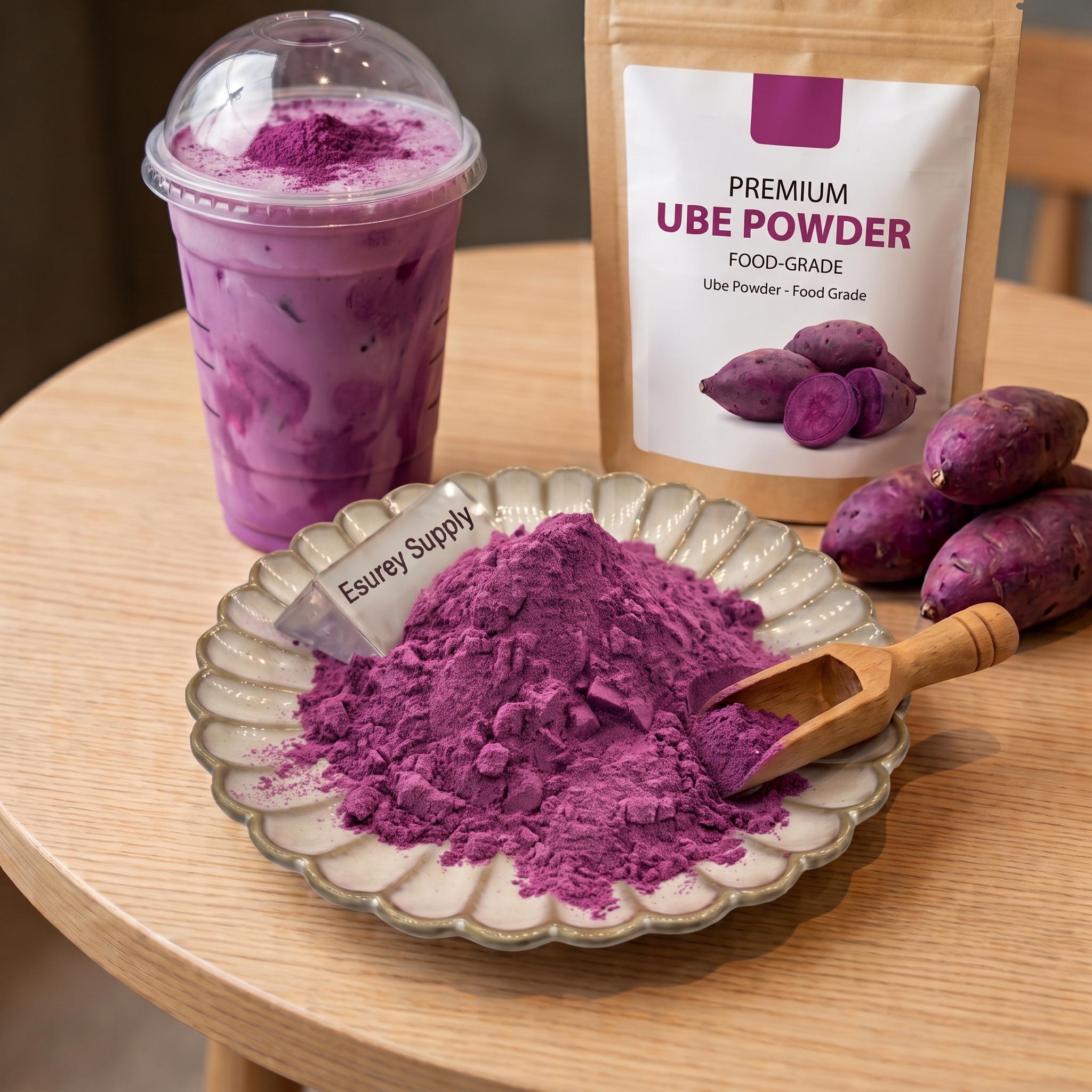
Natural Color Meets Functional Health: How Ube Yam Powder Is Moving from Specialty Niche to Mainstream Food Processing
Moving Beyond Synthetic Dyes with Added Nutritional Value While brands continue phasing out synthetic dyes, finding heat- and pH-stable natural blue-violet hues remains an ongoing challenge in food R&D. Ube is naturally rich in anthocyanins and polyphenols, providing gentle, appealing...Read more


