Recently, in the production chains of multiple industries including daily chemical care, pharmaceutical formulations, and industrial lubrication, 1-Octadecanol (chemical name: "Stearyl Alcohol")—a long-chain fatty alcohol with multi-functions of emulsification, thickening, and stabilization—has continued to be a "key basic raw material" in formula development across various fields, thanks to its mildness, compatibility, and process adaptability. As an important member of the fatty alcohol family, 1-Octadecanol not only overcomes the shortcomings of traditional additives such as "single function and limited application scenarios" but also, with its characteristics of "low irritation and high compatibility", plays an irreplaceable role in diverse scenarios ranging from skincare matrices to pharmaceutical excipients, and from industrial lubricants to plastic additives. It has become a "bridge-type ingredient" connecting basic chemical engineering and end products, helping industries upgrade product quality.
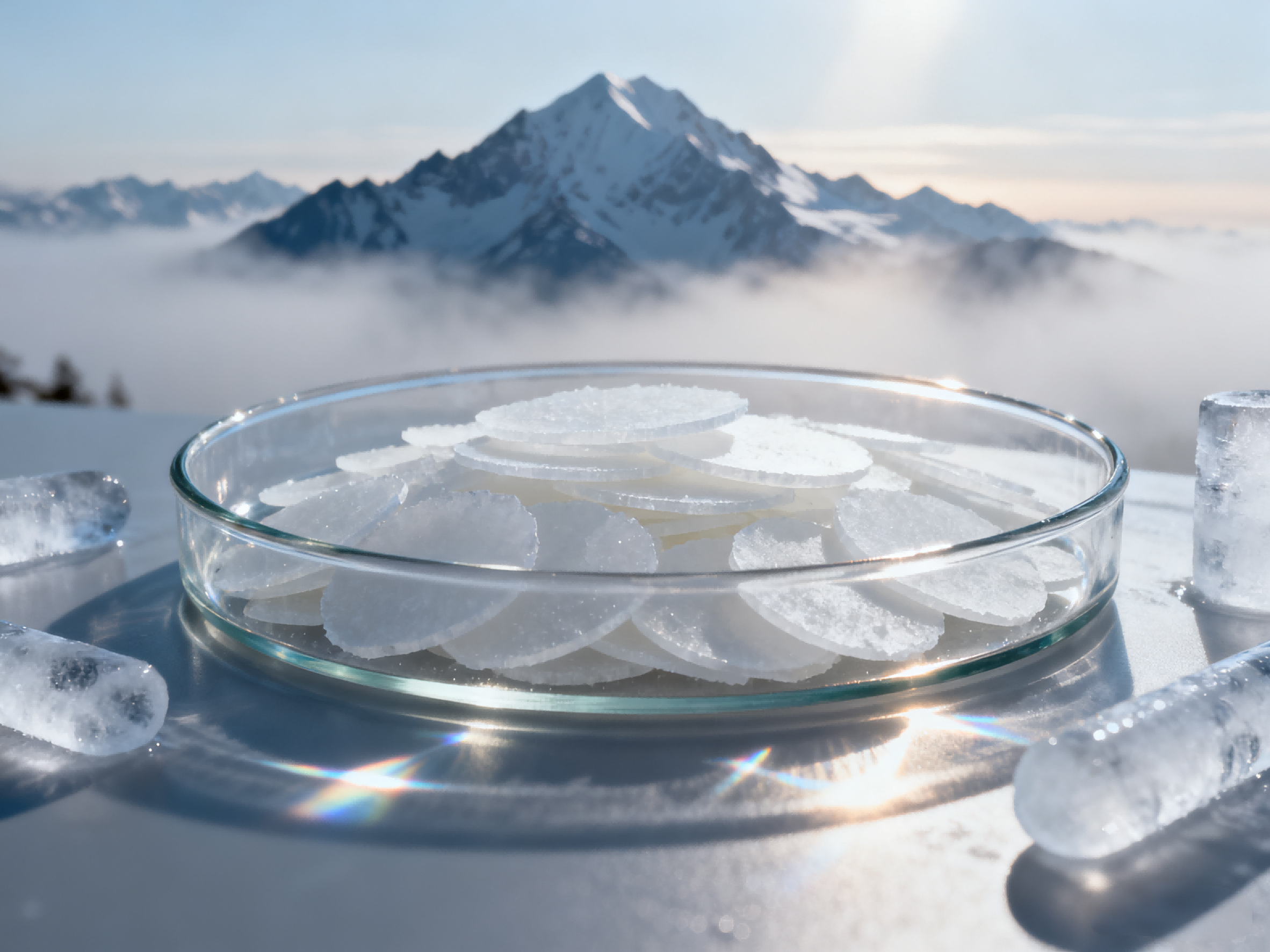
In terms of the product's essence, 1-Octadecanol is a natural or synthetic long-chain saturated fatty alcohol. Its core chemical structure is a straight-chain alcohol with 18 carbon atoms (molecular formula: C₁₈H₃₈O). At room temperature, it appears as white flaky or granular solid with a faint fatty odor, a melting point of approximately 56-60°C, and a boiling point of up to 331°C, demonstrating excellent thermal stability. Based on different sources, 1-Octadecanol can be divided into "naturally extracted" and "synthetic" types: the natural type is mainly isolated and purified from hydrogenated products of vegetable oils (such as palm oil and coconut oil), featuring higher natural affinity and lower irritation, making it suitable for the daily chemical and pharmaceutical fields; the synthetic type is produced through chemical processes such as ethylene polymerization and oxo synthesis, with strong controllability of purity and significant cost advantages, widely used in the industrial sector.
In terms of physicochemical properties, 1-Octadecanol possesses unique "amphiphilicity": the long-chain alkyl group in its molecular structure endows it with lipophilicity, enabling good integration with oils, waxes, and other components; while the terminal hydroxyl group provides a certain degree of hydrophilicity, allowing weak interactions with water-phase ingredients. This property makes it an excellent emulsifying medium and interface regulator. Additionally, 1-Octadecanol exhibits good compatibility with most organic substances (such as surfactants, active ingredients, and high molecular polymers) and inorganic substances (such as powders and pigments), and is less prone to stratification, precipitation, or deterioration. It also has extremely low irritation to the skin and mucous membranes. Having passed safety evaluations in most countries and regions worldwide (e.g., EU Cosmetic Ingredient List, Chinese Pharmaceutical Excipient Standards), it poses no health risks when used in compliance with regulations. After long-term industrial application and technical verification, relying on its core advantages of "efficient emulsification, thickening and stabilization, mildness, and safety", 1-Octadecanol has demonstrated outstanding efficacy in four major fields—daily chemical care, pharmaceutical formulations, industrial lubrication, and plastic processing—becoming a "multi-functional tool" in formulations across industries.
In the field of daily chemical care, 1-Octadecanol serves as a "core matrix ingredient" in skincare and hair care products, undertaking three key roles: emulsification and stabilization, thickening and shaping, and moisturizing and repairing. In skincare products (such as lotions, creams, and hand creams), it acts as an "oil-phase emulsifier", forming stable oil-in-water (O/W) or water-in-oil (W/O) emulsion systems with water-phase ingredients (such as glycerin and hyaluronic acid) to prevent product stratification, while improving the texture's fineness and application feel. Compared with traditional emulsifiers, 1-Octadecanol makes creams easier to spread, reduces greasiness, and forms a thin protective film on the skin surface to slow down moisture evaporation and enhance long-lasting moisturizing effects. In hair care products (such as conditioners and hair masks), it functions as a "conditioner" and "thickener": on one hand, it binds to the cuticles on the hair surface, filling gaps between cuticles to reduce frizz and split ends, and improve hair smoothness and luster; on the other hand, it regulates product viscosity to avoid inconvenience caused by overly thin conditioners. In facial cleansers, low-concentration 1-Octadecanol can reduce the irritation of surfactants while enhancing foam density, meeting the needs of people with sensitive or dry skin. Currently, almost all mid-to-high-end daily chemical brands include 1-Octadecanol as one of the core raw materials in their cream and hair care products, and its quality directly affects the product's user experience and stability.
In the pharmaceutical industry, 1-Octadecanol is an important pharmaceutical excipient, whose core role is to improve the physical form and stability of pharmaceutical formulations, and enhance medication safety and efficacy. In oral solid formulations (such as tablets and capsules), it acts as a "lubricant" and "binder": it reduces friction between drug powder and tablet press molds to prevent tablet capping and sticking, while improving powder flowability to ensure uniform tablet weight. In topical medications (such as ointments, creams, and suppositories), 1-Octadecanol serves as a "matrix ingredient", which can be uniformly mixed with active pharmaceutical ingredients (such as antibiotics and hormonal drugs) to form stable semi-solid formulations. Its mildness reduces drug irritation to the skin and mucous membranes, while controlling the drug release rate to extend the duration of efficacy. For example, in ointments for treating eczema, 1-Octadecanol not only makes the ointment easier to apply but also promotes the penetration of active ingredients into the deep layers of the skin, enhancing therapeutic effects. In injections, high-purity 1-Octadecanol can act as a "solubilizer" to help lipid-soluble drugs (such as certain vitamins and anti-tumor drugs) dissolve in aqueous injections, improving drug solubility and bioavailability. Currently, pharmaceutical-grade 1-Octadecanol must meet strict pharmaceutical standards (e.g., Chinese Pharmacopoeia, United States Pharmacopeia), with a purity requirement of over 98%, and undergo special tests for heavy metals and microorganisms to ensure medication safety.

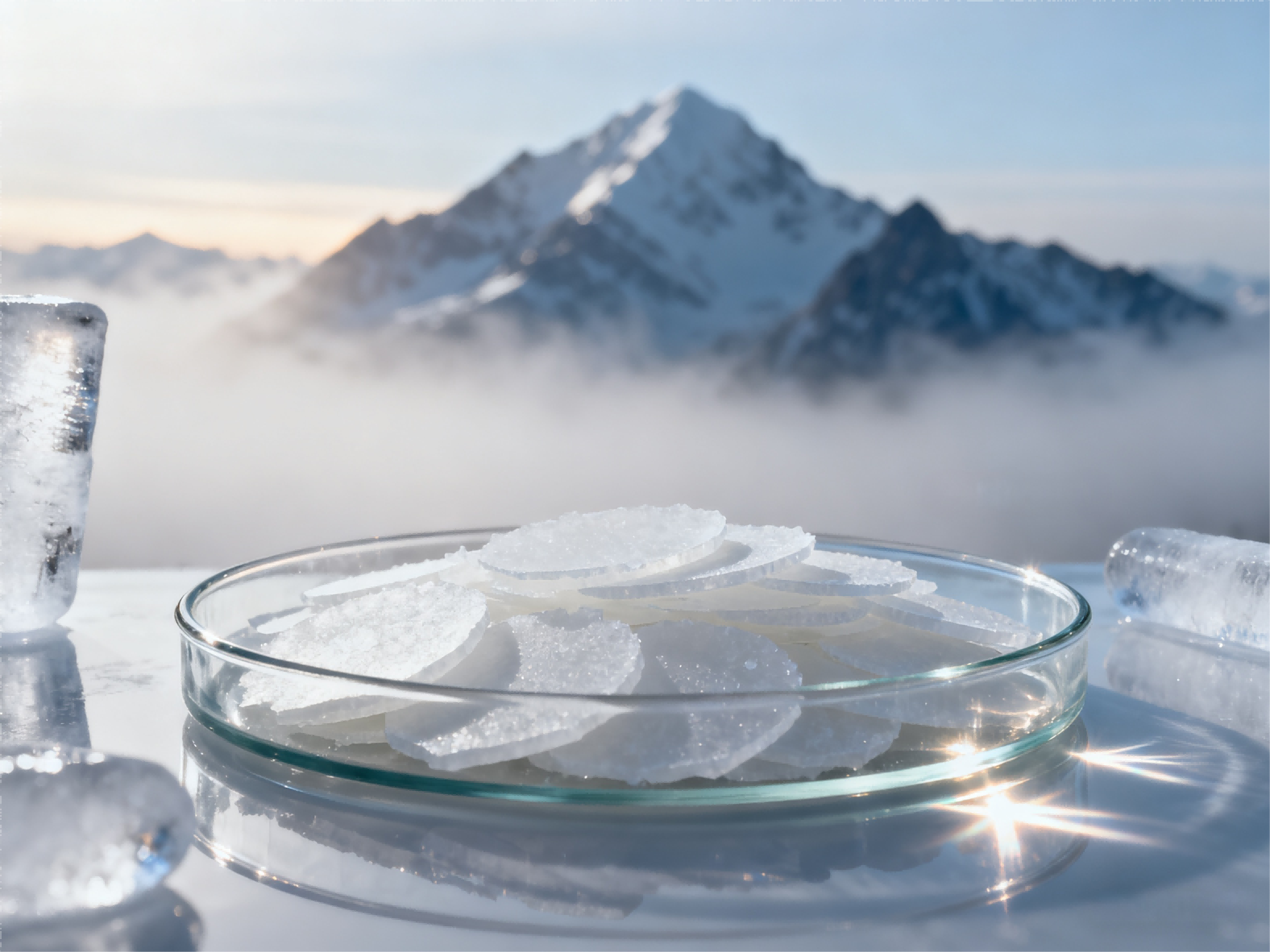
In the field of industrial lubrication, 1-Octadecanol, with its good lubricity and thermal stability, has become a "key additive" in lubricating oils and metalworking fluids. In lubricating oils (such as mechanical lubricating oils and bearing lubricating oils), it acts as an "oiliness agent", forming an adsorption film on metal surfaces to reduce friction and wear between metal parts, while improving the oil's oxidation resistance to delay oil aging and extend service life. In metalworking fluids (such as cutting fluids and stamping fluids), 1-Octadecanol enhances the lubricating and cooling properties of the fluid, reduces tool wear, improves the machining accuracy and surface finish of metal workpieces, and its low volatility prevents component evaporation due to high temperatures during processing, reducing environmental pollution. In the textile industry, it serves as a "fiber lubricant", which is applied to the surface of yarns to reduce fiber breakage during spinning and weaving, improve textile strength and flexibility, and enhance fabric hand feel.
In the field of plastic processing, 1-Octadecanol is an "efficient processing aid" for plastic and rubber products, mainly functioning as a plasticizer, antistatic agent, and release agent. In plastic molding (such as polyethylene and polypropylene products), it acts as an "internal lubricant", reducing the viscosity of plastic melts, improving melt flowability to facilitate full filling of molds with plastic, and reducing defects such as bubbles and shrinkage cavities in products. Meanwhile, the long-chain alkyl group in its molecular structure endows plastic products with certain antistatic properties, preventing dust adsorption on the plastic surface due to static electricity and improving product surface cleanliness. In rubber processing, 1-Octadecanol serves as a "release agent", forming an isolation layer between rubber products and molds to prevent rubber from adhering to molds, simplifying the demolding process and improving production efficiency. Additionally, in the coating and ink industries, 1-Octadecanol can also act as a "leveling agent" to improve the coating performance of paints, prevent defects such as orange peel and pinholes on coatings, and enhance coating flatness and gloss.
1-Octadecanol are now available for purchase at Xi’an Biof -Technology Co., Ltd. For more information , visit https://www.biofingredients.com.
XI'AN BIOF BIO-TECHNOLOGY CO.,LTD
Email: Tom@xabiof.com
Tel/WhatsApp: +86-15091533695
Website: https://www.biofingredients.com
Post time: Oct-20-2025


