In the competitive anti-aging skincare landscape, Pro-xylane stands out as a performance-driven ingredient, earning acclaim for its ability to target skin aging at the source. Derived from xylose, a natural sugar from sustainably harvested beech wood, this bioactive molecule focuses on strengthening the extracellular matrix (ECM)—the skin’s structural “scaffold” that maintains firmness and elasticity.
Its key performance lies in boosting three critical skin components. First, it stimulates collagen production, the fiber that prevents sagging. Second, it increases hyaluronic acid, the “moisture holder” that plumps fine lines. Third, it enhances proteoglycans, which bind collagen and hyaluronic acid for long-term structure.
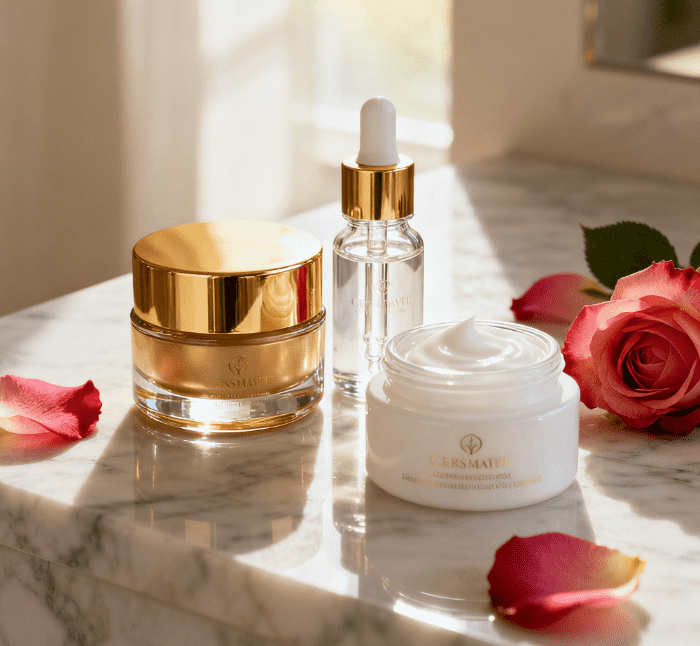
Pro-xylane also excels in formulation flexibility. It stays stable in serums, creams, and eye products, and pairs well with popular ingredients like vitamin C and niacinamide, making it easy for brands to integrate. Global brands like L’Oréal use it in Revitalift, driving 15% sales growth in 2024’s anti-aging category, while indie brands note sold-out products due to its trustworthiness.
With the global anti-aging market set to hit $110 billion by 2027 (Grand View Research), Pro-xylane’s performance makes it more than a trend. “It balances science and accessibility,” says dermatological researcher Dr. Mia Carter. For consumers seeking effective, gentle anti-aging, and brands chasing reliable results, Pro-xylane delivers unmatched performance.
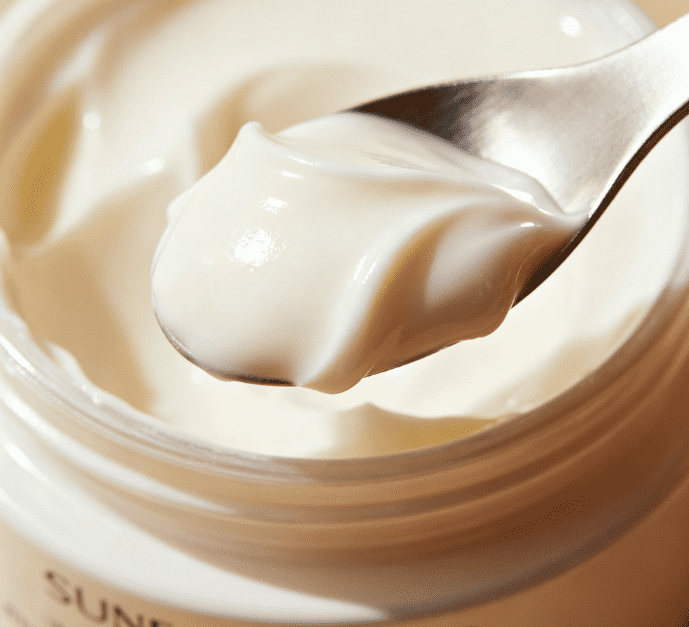
A 2023 clinical study in the International Journal of Cosmetic Science validated this: 92% of users with a 3% Pro-xylane serum saw 27% fewer fine lines after 8 weeks, while 88% reported firmer skin. Unlike harsh actives like high-concentration retinol, it’s gentle—safe for sensitive and post-procedure skin.
Contact Information:
XI'AN BIOF BIO-TECHNOLOGY CO.,LTD
Email: jodie@xabiof.com
Tel/WhatsApp: +86-13629159562
Website: https://www.biofingredients.com
Post time: Sep-24-2025


