Beneath Arizona’s blazing sun, where desert winds carry the scent of sage, Maria Sanchez kneels beside a jojoba bush. Her calloused fingers—etched with decades of harvests—gently cradle a cluster of plump seeds. "This plant knows how to survive," she says, her voice warm with reverence. "And it teaches us to do the same."
Maria belongs to a network of small-scale farmers nurturing Simmondsia chinensis, Earth’s sole producer of jojoba oil. For three generations, her family has harvested these desert gems, honoring practices first pioneered by the Tohono O’odham people of the Sonoran Desert. Those early caretakers relied on jojoba to soothe sun-chapped skin during scorching days and condition hair through frigid nights, wisdom Maria carries in every seed she collects.
What makes jojoba a botanical marvel is its striking similarity to our skin’s natural sebum. Unlike typical plant oils composed of triglycerides, jojoba is a liquid wax ester—nature’s mimicry at its finest. "Our skin doesn’t just accept it; it recognizes it as one of its own," explains Dr. Elena Rodriguez, a cosmetic chemist with 12 years studying jojoba’s properties. "That’s why it hydrates deeply without the greasy residue or clogged pores."
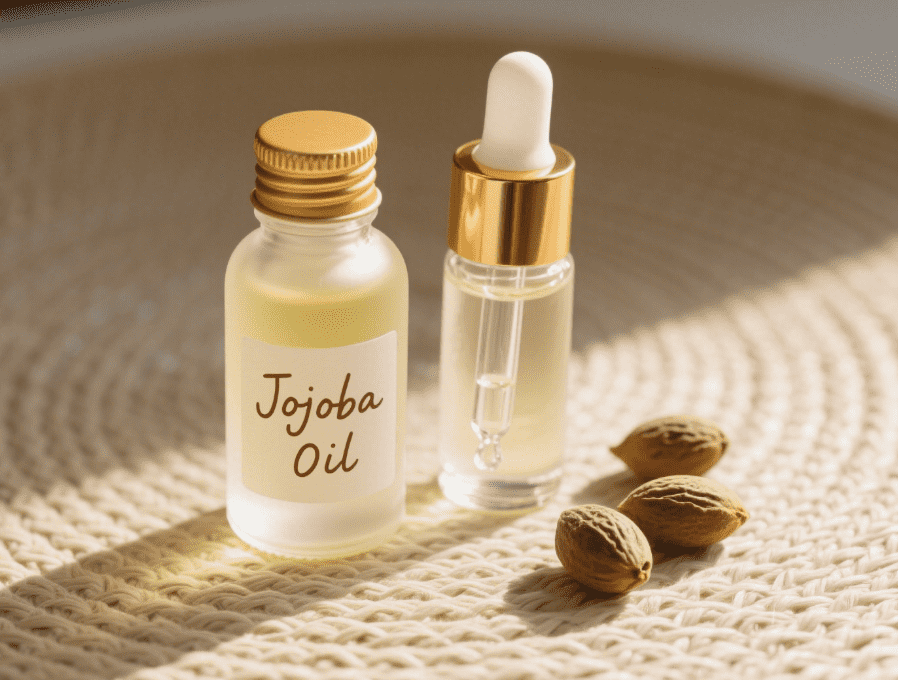
Beyond beauty cabinets, jojoba is a sustainability champion. Its 20-foot taproots anchor desert soil against erosion, while its ability to thrive on 10 inches of annual rainfall makes it a lifeline for water-strapped regions. "We use 70% less water than alfalfa farmers here," Maria notes, gesturing to her 40-acre plot. "This bush gives us income while healing the land—it’s a partnership, not exploitation."
As demand for natural ingredients spikes—global jojoba sales hit $420 million in 2024—farming communities face a delicate balancing act.
For Jamal Thompson, 28, jojoba transformed a lifelong battle with acne. "I tried every drying gel and harsh scrub," he remembers, tracing a faint scar on his cheek. "Then my dermatologist said, ‘Try oil.’ I thought she was crazy—until two weeks later, when my skin cleared. It balanced my overactive sebaceous glands instead of attacking them." Now, Jamal’s DIY jojoba blends have 12,000 followers on Instagram, where he shares before-and-after photos of his converts.
"We’ve doubled production in five years, but we plant one bush for every three we harvest," says Carlos Mendez, who leads a 120-farmer cooperative in Baja California. "The desert taught us to take only what we need."
New applications emerge monthly: biodegradable motor oil for off-road vehicles, eco-friendly wood polish, even a natural preservative for organic baby food. Yet the human stories remain most compelling—Maria’s 10-year-old granddaughter learning to sort seeds, Dr. Rodriguez’s breakthrough with eczema patients, Jamal’s weekly Zoom workshops for teens with skin insecurities.
"This vial holds more than oil," Maria says, tilting a golden sample toward the setting sun. "It holds our history, our future, and proof that the harshest places grow the kindest gifts." As she returns to her harvest, the desert breeze carries the faint, nutty aroma of jojoba—nature’s quiet reminder that sustainability and survival can grow from the same root.
Contact Information:
XI'AN BIOF BIO-TECHNOLOGY CO.,LTD
Email: jodie@xabiof.com
Tel/WhatsApp: +86-13629159562
Website: https://www.biofingredients.com
Post time: Jul-29-2025


