In recent scientific research, Evodiamine (EVO) has emerged as a compound of great interest due to its remarkable biological properties. Derived from the traditional herbal medicine Evodia rutaecarpa, Evodiamine has been the subject of numerous studies exploring its potential applications in the medical field.
Evodiamine has shown significant anticancer activities. In vitro studies on glioblastoma cells, such as U87 and C6 glioma cells, have revealed that EVO can induce apoptosis and cell cycle arrest. It leads to characteristic apoptotic features like DNA ladders, caspase - 3 and poly(ADP - ribose) polymerase (PARP) protein cleavage, and the appearance of hypodiploid cells. The compound also disrupts the mitochondrial membrane potential (MMP). An in - vivo study further demonstrated that EVO could penetrate the blood - brain barrier and significantly reduce the growth of gliomas elicited by subcutaneous injection of U87 cells.
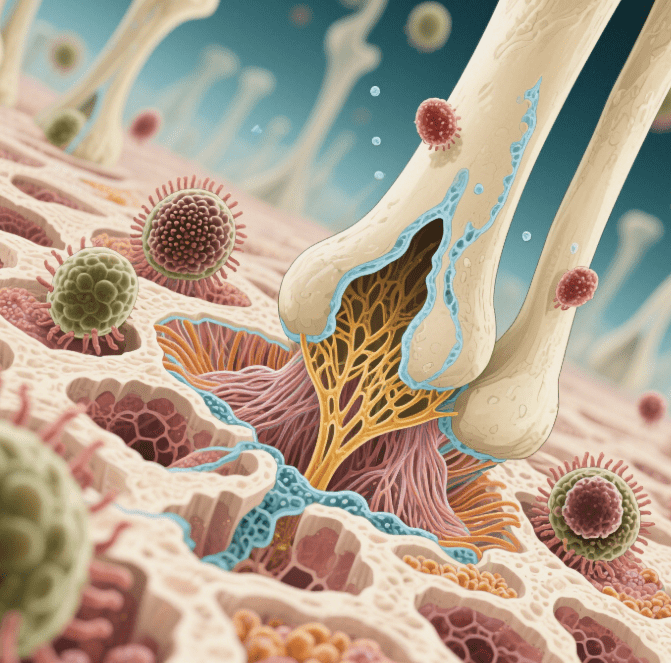
In the context of osteoporosis, Evodiamine shows potential as well. Using an in - vitro bone marrow macrophage (BMM) - derived osteoclast culture system, researchers found that EVO inhibited osteoclast formation, hydroxyapatite resorption, and the expression of receptor activator of NF - κB ligand (RANKL) - induced osteoclast marker genes and proteins. In an ovariectomized (OVX) mouse model mimicking postmenopausal osteoporosis (PMO), EVO attenuated bone loss by inhibiting osteoclastogenesis.
As research on Evodiamine continues to progress, it holds great promise for the development of new therapeutic strategies. Scientists are exploring its potential in treating various diseases, from cancers to metabolic and bone - related disorders. The unique properties of Evodiamine open up new avenues for drug development, and further investigations are expected to uncover more of its hidden potential in the near future.
Moreover, Evodiamine has anti - inflammatory properties. For example, in the case of human umbilical vein endothelial cells (HUVECs) exposed to high free fatty acids, EVO can effectively suppress the enhanced expression of the P2X7 receptor, which is involved in inflammation. It also ameliorates high FFA - induced cytotoxicity, the upregulated release of ATP, and the production of reactive oxygen species (ROS). In addition, EVO can reverse the decreased NO formation and the increased adhesive events of immune cells under high FFA conditions.

Contact Information:
XI'AN BIOF BIO-TECHNOLOGY CO.,LTD
Email: jodie@xabiof.com
Tel/WhatsApp: +86-13629159562
Website: https://www.biofingredients.com
Post time: May-29-2025


