In recent years, Caprylic triglyceride—a colorless, odorless liquid lipid derived from coconut oil and glycerin via esterification—has become a game-changer across industries. As a medium-chain triglyceride (MCT), its stability, solubility, and skin-friendly properties make it essential in high-end skincare, functional foods, and oral medications.
Unmatched Stability: A Key Advantage for Product Longevity
Caprylic triglyceride’s superior oxidative stability (from its 8-carbon fatty acid structure) extends product shelf life by resisting oxidation and hydrolysis—unlike rancidity-prone long-chain triglycerides (LCTs).
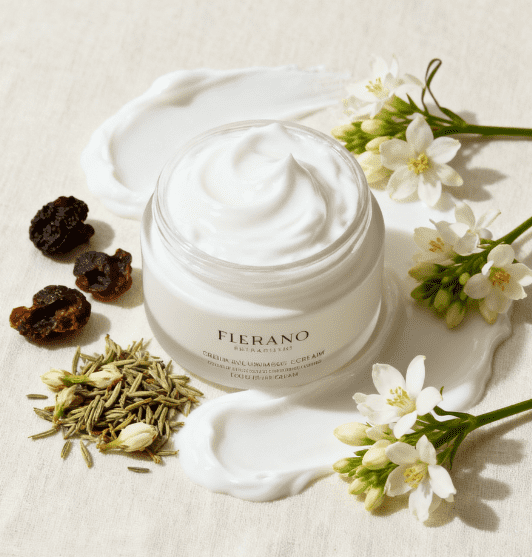
Exceptional Solubility: Enhancing Bioavailability and Texture
Caprylic triglyceride dissolves both oil- and water-soluble actives, making it a versatile solubilizer. In skincare, it boosts absorption of unstable actives (e.g., vitamin C, retinol) and delivers a lightweight, non-greasy texture.
“ It’s a ‘delivery vehicle’ for actives, improving stratum corneum penetration,” says L’Oréal cosmetic chemist Sarah Chen.
In pharmaceuticals, it enhances bioavailability of poorly water-soluble drugs (PWSDs)—40% of new meds. A 2023 FDA study showed it increased PWSD absorption by up to 300%, lowering dosages and side effects.
A 2024 Journal of Cosmetic Science study found that after 12 months at 30°C, Caprylic triglyceride retained 97% of its structure, vs. 82% for jojoba oil and 77% for sweet almond oil. “This cuts reliance on preservatives,” notes Dr. Elena Marquez (Institute of Applied Materials Science).
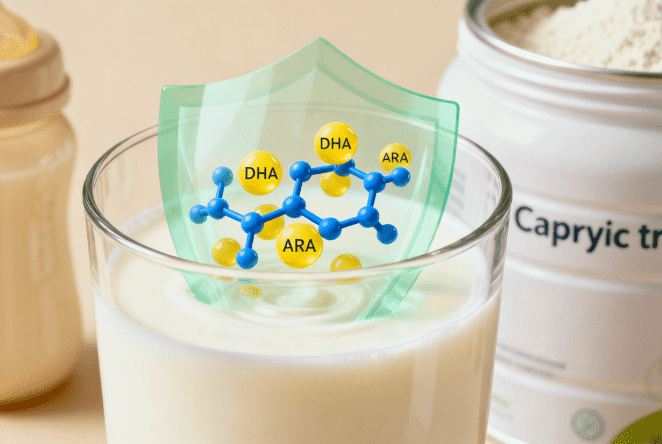
In food, it acts as a carrier for fat-soluble vitamins/colorants; Nestlé and Danone use it in infant formulas/supplements to prevent nutrient degradation.
Skin-Friendly and Sustainable: Meeting Modern Consumer Demands
Caprylic triglyceride is non-comedogenic, hypoallergenic, and safe for all skin types (including sensitive/acne-prone). CIR clinical tests confirmed no irritation at 0.1–20% cosmetic usage.
Sustainably sourced from organic coconut oil (lower carbon footprint than palm/mineral oils), it’s produced via eco-friendly processes (e.g., enzymatic esterification) by Croda and BASF.
Future Outlook: Expanding Applications
Global Caprylic triglyceride demand is projected to reach $850 million by 2030 (6.2% CAGR, 2024–2030, per Grand View Research).
Emerging uses: food 3D printing (binder/texture enhancer), biodegradable fruit/veggie coatings (freshness extender), and sunscreen (improving UV filter stability, reducing white cast).
“ It’s a solution to key formulation challenges,” adds Dr. Marquez. “Its stability, solubility, and safety make it indispensable for innovation.”
Contact Information:
XI'AN BIOF BIO-TECHNOLOGY CO.,LTD
Email: jodie@xabiof.com
Tel/WhatsApp: +86-13629159562
Website: https://www.biofingredients.com
Post time: Sep-24-2025


