Behenamidopropyl Dimethylamine (BDMA), a long-chain fatty amide derivative commonly utilized as a conditioning agent and emulsifier, is witnessing heightened adoption across the global personal care sector. This growth is fueled by rising consumer demand for beauty and personal care products that balance high performance with sustainability. Industry analytics reveal that the global BDMA market is poised to expand at a compound annual growth rate (CAGR) of 5.2% from 2025 to 2030, with North America and Southeast Asia leading as the primary growth markets.
Sourced from renewable feedstocks such as rapeseed oil and palm oil, BDMA distinguishes itself through its multifunctional capabilities in hair and skincare formulations. In contrast to synthetic alternatives, it delivers superior conditioning benefits—taming hair frizz and boosting skin hydration—while maintaining strong compatibility with other natural ingredients. “Today’s consumers refuse to trade efficacy for sustainability,” stated Elena Marquez, senior analyst at Global Cosmetics Insights. “BDMA’s natural origin and minimal environmental impact make it a top choice for brands striving to fulfill eco-friendly commitments and resonate with green-conscious shoppers.”
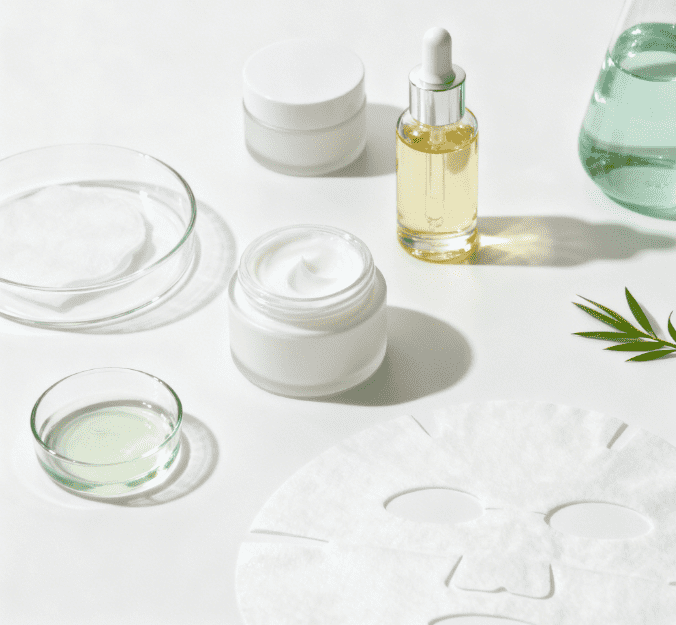
BDMA’s technical merits further underpin its growing popularity. In hair care products, it functions as a cationic surfactant, forming a protective barrier around hair strands to mitigate damage caused by heat styling tools and environmental stressors. In skincare formulations, it enhances emulsion stability, prolonging the shelf life of creams and lotions without relying on harsh preservatives. “BDMA addresses two critical pain points for formulators: delivering high performance and meeting sustainability objectives,” commented Dr. James Harrison, materials scientist at the International Cosmetics Technology Association.

Leading personal care manufacturers have already begun incorporating BDMA into their product portfolios. L’Oreal recently rolled out a new line of sulfate-free shampoos with BDMA as a core conditioning component, recording a 15% year-over-year sales increase in the first quarter of 2025 compared to its prior formulation. Similarly, Unilever’s Asian arm launched a BDMA-infused body lotion tailored to the Southeast Asian market, where demand for natural skincare products has jumped 22% in the past 12 months.

Despite its positive growth trajectory, the BDMA market faces challenges, including volatility in raw material pricing and the requirement for advanced production technologies to enhance yield efficiency. However, ongoing research and development initiatives are working to overcome these hurdles. For example, a research team at the University of California, Berkeley, recently developed an innovative synthesis process that cuts raw material waste by 30%. This breakthrough could lower production costs significantly and accelerate BDMA’s market penetration.
Looking forward, the expanding global focus on clean beauty and regulatory backing for sustainable ingredients are set to drive continued growth in the BDMA market. “As more brands commit to carbon neutrality and eco-friendly packaging, ingredients like BDMA will become increasingly integral to their product development strategies,” Marquez added. Industry experts predict that BDMA will soon establish itself as a staple in mainstream personal care formulations, displacing synthetic alternatives across a broad range of products.
Contact Information:
XI'AN BIOF BIO-TECHNOLOGY CO.,LTD
Email: jodie@xabiof.com
Tel/WhatsApp: +86-13629159562
Website: https://www.biofingredients.com
Post time: Dec-10-2025


