Moving Beyond Synthetic Dyes with Added Nutritional Value
While brands continue phasing out synthetic dyes, finding heat- and pH-stable natural blue-violet hues remains an ongoing challenge in food R&D. Ube is naturally rich in anthocyanins and polyphenols, providing gentle, appealing color stability across standard pasteurization and moderate-temperature baking conditions.
Beyond color, Ube carries functional nutritional value. Packed with polysaccharides, soluble dietary fiber, and resistant starch, it enriches finished products with dietary fiber while supporting balanced satiety. This aligns squarely with consumer demand for simpler ingredient decks and plant-based nutrition.
Expanding Across Product Categories
At the commercial application level, Ube yam powder has transitioned from a purely aesthetic social-media trend into a core ingredient across diverse categories:
-
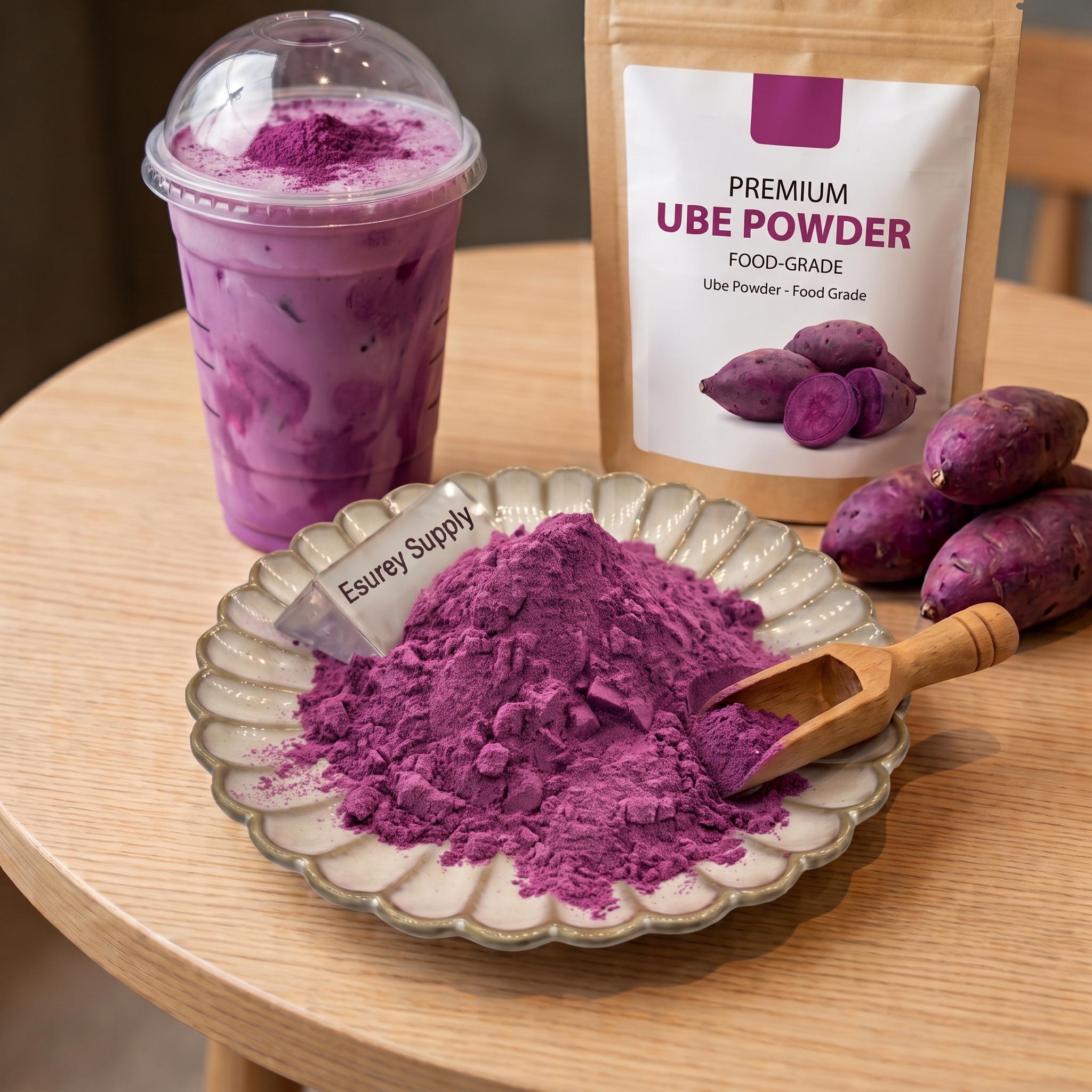
Beverages & Specialty Coffee: Serves as the visual and flavor foundation for ube lattes, flavored milks, and plant-based foam toppings, contributing a smooth, creamy mouthfeel.
-
Bakery & Frozen Doughs: Integrates smoothly with fats and dairy in premixes, cookies, and artisanal breads, maintaining an even, natural crumb color after baking.
-
Ready-to-Mix Powders & Meal Replacements: Functions as a clean carbohydrate and plant fiber source in protein powders and nutritional shakes, enhancing texture while adding visual appeal.
From its origins as a regional specialty to its current role in commercial food manufacturing, Ube yam powder reflects a broader trend: how traditional crops are being transformed into standardized, high-value ingredients through modern processing technology.
Post time: Sep-17-2026


